


You know the scenario: a candidate walks in with a perfect resumé, shines during the interview, but a few months later, you realize it just isn’t working out. It’s not because they can’t do the job, but because they lack the right motivation, don’t mesh with the team, or struggle with the company culture and how things work.
To prevent this, you need to dig deeper and gather more insights. That is exactly what Psychodiagnostics is for. It helps you see far more than a resumé or a conversation ever could.
Why One Method Isn’t Enough
A technical test will show you a candidate’s skills. A situational interview reveals how a candidate reacts in specific scenarios. A behavioral interview shows how they acted in the past. But that is only part of the picture.
True job performance is a combination of knowledge, motivation, personality traits, and the ability to collaborate. Without understanding the candidate’s full profile, you risk selecting someone who is capable but won’t be happy working for you. And consequently, you won’t be happy with them.
To gather enough information, it is crucial to combine multiple methods—and to include Psychodiagnostics as an essential component. This approach uncovers hidden success factors and significantly reduces the risk when selecting people.
Psychodiagnostics Reveals the Invisible
Psychodiagnostic tools can look beneath the surface. They reveal what motivates a person, their working style, how they make decisions, how they handle stress, and whether they prefer a dynamic environment or stability.
This kind of insight gives you confidence that the position and the person will truly be a good “fit.” The result is lower turnover, higher satisfaction, and better performance. Not because you found a flawless human being, but because you found the right person for the specific role and environment.
At TCC online, we have assembled a package of questionnaires that collectively assess potential for various roles and can be used to find talent for a wide range of positions. The package includes five specific questionnaires:
- Multifactor Personality Profile: Maps an individual’s orientation to the real world and other people, their perception of reality, problem-solving approach, decision-making style, and core work-style characteristics.
- Career Compass: Identifies a person’s main motivators and the work roles that align with them.
- Work Style: Describes an individual’s approach to work and how they choose to handle tasks.
- Culture Fit: Indicates the alignment of a person’s internal values and preferences with a given company culture.
- Team Roles: Maps the roles a person most typically adopts within a team and highlights where they are likely to excel.
Six Talent Profiles
This battery of tests allows you to map prerequisites for six distinct talent profiles:
- Talent for Administration: Diligence, cooperation, and reliability.
- Talent for Expertise and Analysis: Analysis, the drive to get to the bottom of things, and the deepening of knowledge and expertise.
- Talent for Creative Activities: Originality, creative thinking, and finding new angles and variations.
- Talent for Management: An interest in (and aptitude for) leading and managing a team.
- Talent for Sales: Communication, working with customers, and an orientation toward opportunities and results.
- Talent for Projects: The potential for leading and completing projects, responsibility, and organizational skills.
Once the selected methods are completed, you are provided with a comprehensive and detailed evaluation of prerequisites for all selected talents, with the ability to quickly sort and compare individual candidates.
These same tools can also be used for internal talent. The best person for that new role might already be sitting in your office.
Want to try our “Talents” package to map potential for various roles? Contact us at info@tcconline.eu.
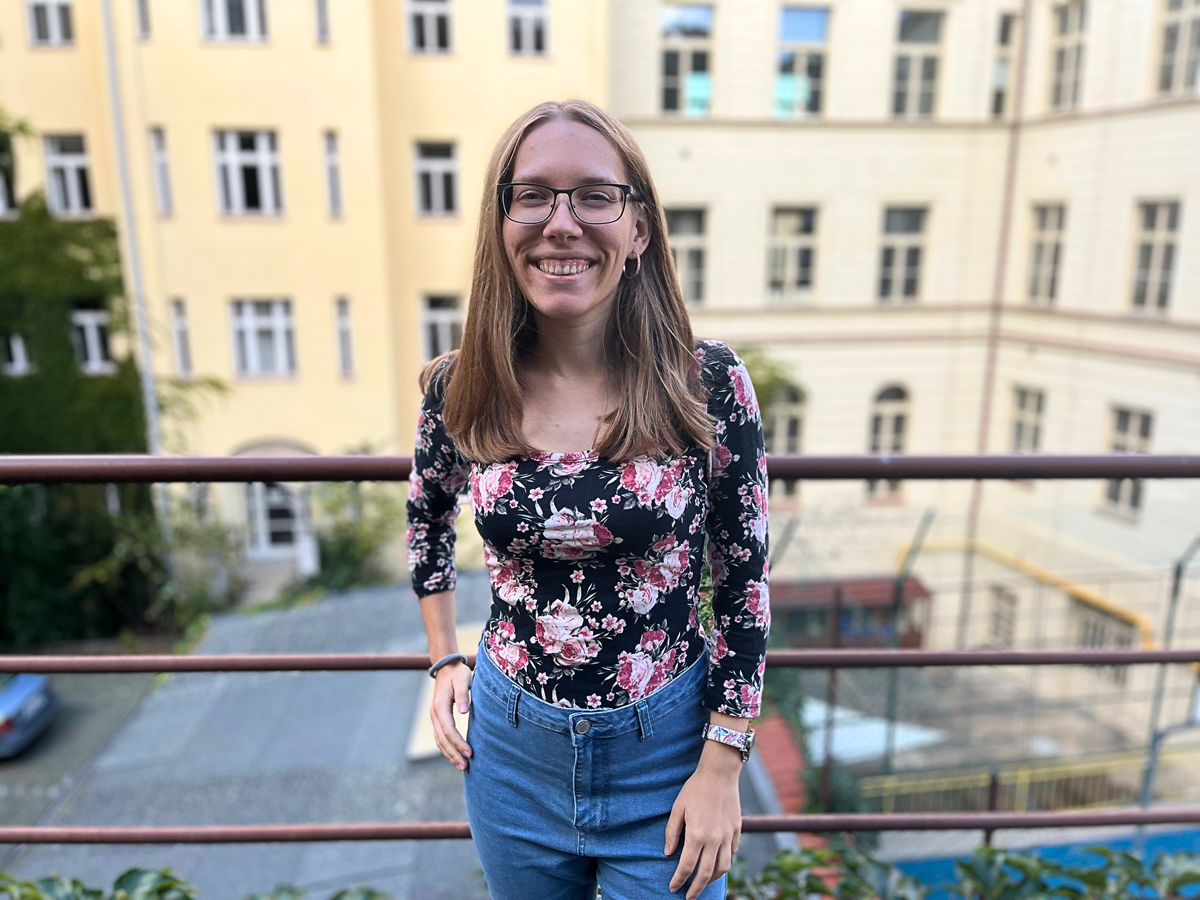
Author: Martina Hejduková, HR Science Analyst, TCC online
Martina has been with TCC online since November 2024. She develops psychodiagnostic tools and oversees their quality control. She creates psychometric analyses and interprets the results of psychodiagnostic methods.